Discover Multicultural Dishes by Chef Micael Oliveira
- Micael Oliveira
- Aug 6
- 3 min read

Updated: 4 hours ago
Food is a universal language that transcends borders, cultures, and traditions. Each dish tells a story, reflecting the history and heritage of its origin. Chef Micael Oliveira, a culinary artist with a passion for multicultural cuisine, invites you on a journey through diverse flavors and cooking techniques from around the world. In this blog post, we will explore some of his signature dishes, the inspiration behind them, and how you can recreate these culinary masterpieces in your own kitchen.

The Art of Multicultural Cooking
Multicultural cooking is not just about combining ingredients from different cultures; it’s about understanding the essence of each cuisine and respecting its traditions. Chef Micael believes that every dish should honor its roots while allowing for creativity and innovation. Here are some key principles that guide his culinary philosophy:
Respect for Tradition: Each culture has its own cooking methods and ingredients that have been passed down through generations. Understanding these traditions is crucial for creating authentic dishes.
Fusion with Purpose: While fusion cuisine can sometimes feel forced, Chef Micael emphasizes the importance of blending flavors that complement each other naturally.
Seasonal and Local Ingredients: Using fresh, seasonal ingredients not only enhances the flavor of the dish but also supports local farmers and reduces environmental impact.
Signature Dishes from Chef Micael
Brazilian Feijoada
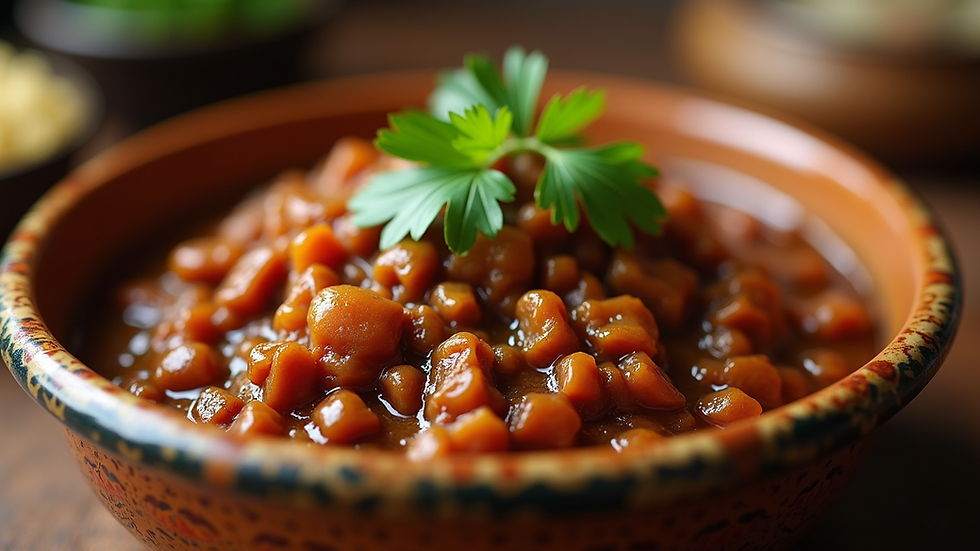
Feijoada is a traditional Brazilian stew made with black beans and a variety of meats, typically served with rice, collard greens, and orange slices. Chef Micael’s version pays homage to the classic recipe while adding a modern twist.
Ingredients:
Black beans
Pork shoulder
Chorizo
Beef
Garlic
Onion
Bay leaves
Orange slices for garnish
Cooking Method:
Soak the black beans overnight.
In a large pot, sauté garlic and onion until fragrant.
Add the meats and cook until browned.
Stir in the soaked beans, bay leaves, and enough water to cover.
Simmer for several hours until the beans are tender and the flavors meld together.
Serving Suggestion: Serve with rice, collard greens, and a side of orange slices for a refreshing contrast.
The Importance of Cultural Exchange in Cooking
Culinary traditions are often shaped by migration, trade, and cultural exchange. Chef Micael emphasizes that food is a powerful tool for bringing people together. By sharing recipes and cooking techniques, we can foster understanding and appreciation for different cultures.
Cooking Classes and Workshops
Chef Micael offers cooking classes that focus on multicultural dishes. These classes provide participants with hands-on experience in preparing various cuisines while learning about their cultural significance. Here are some benefits of attending these workshops:
Hands-On Learning: Participants get to cook alongside Chef Micael, gaining practical skills and tips.
Cultural Insights: Each class includes discussions about the history and traditions behind the dishes.
Community Building: Cooking together fosters connections among participants, creating a sense of community.
Tips for Exploring Multicultural Cuisine at Home
You don’t need to be a professional chef to explore multicultural dishes in your kitchen. Here are some practical tips to get started:
Start with One Cuisine: Choose a specific culture and explore its dishes. Research traditional recipes and cooking methods.
Experiment with Ingredients: Visit local markets to find unique spices and ingredients. Don’t be afraid to try new flavors.
Follow Authentic Recipes: Look for recipes from reputable sources or cookbooks that focus on the cuisine you’re interested in.
Invite Friends: Host a multicultural dinner party where each guest brings a dish from a different culture. This is a fun way to share and learn together.

Comments